“Worlds”
2000-2006
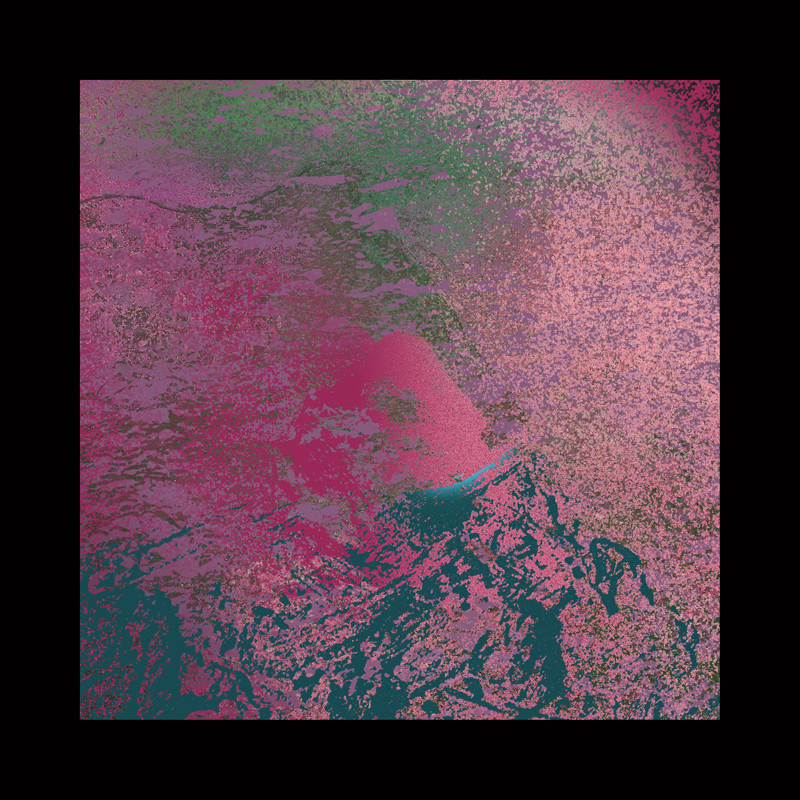
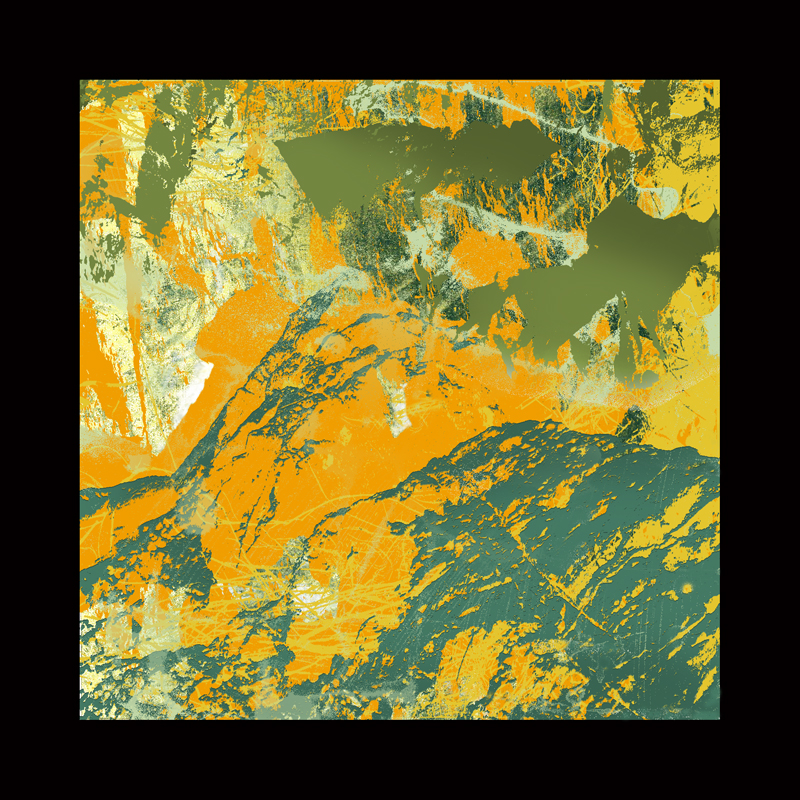
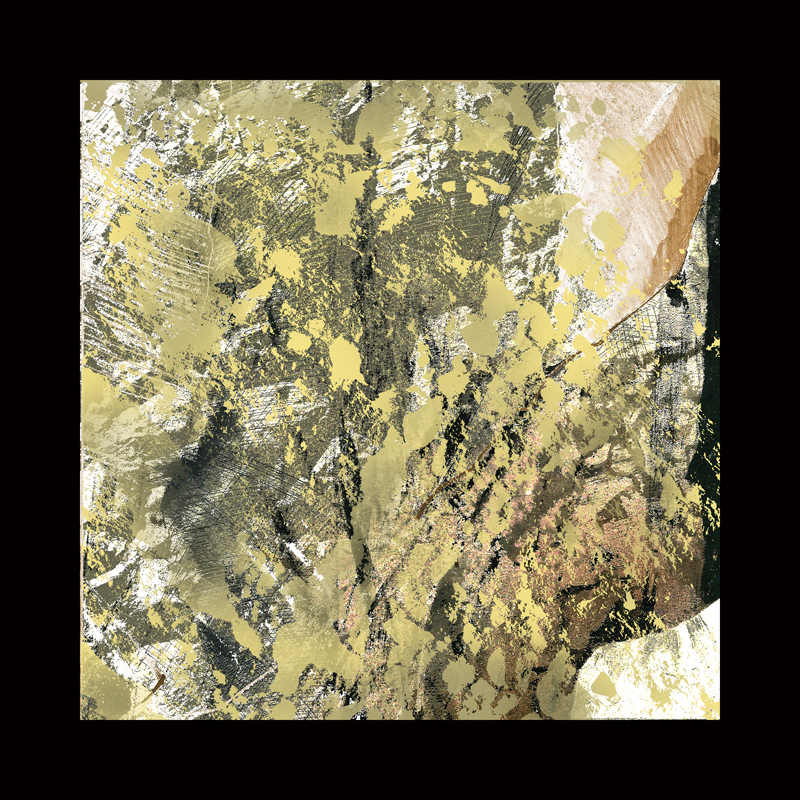
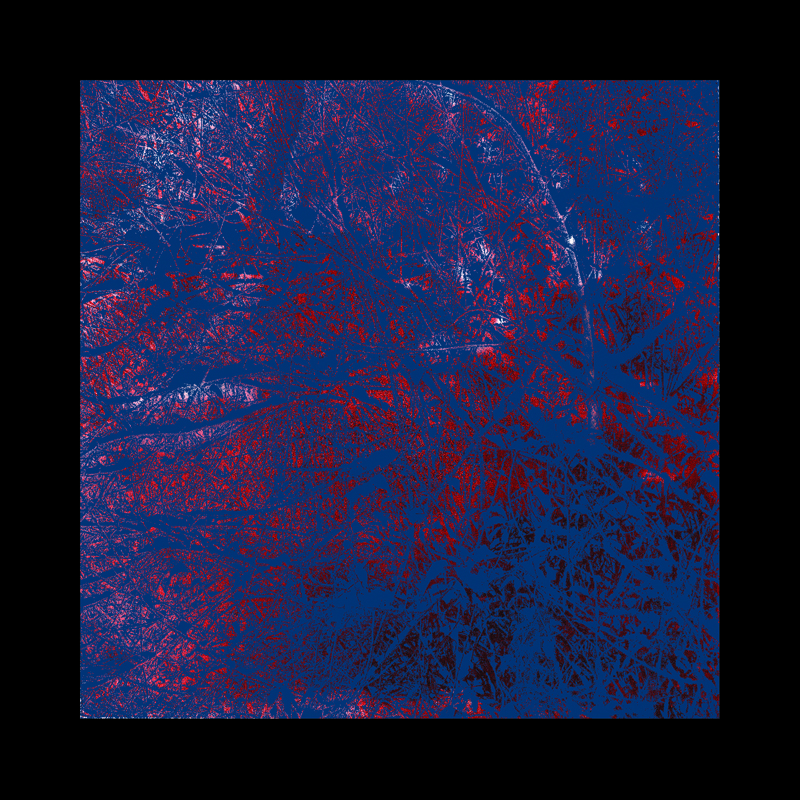
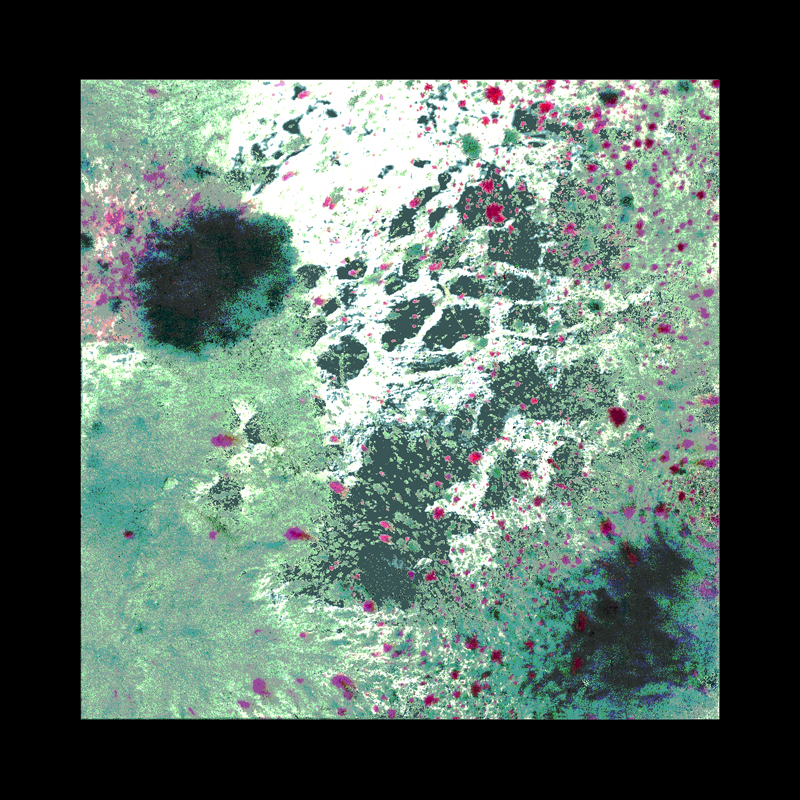
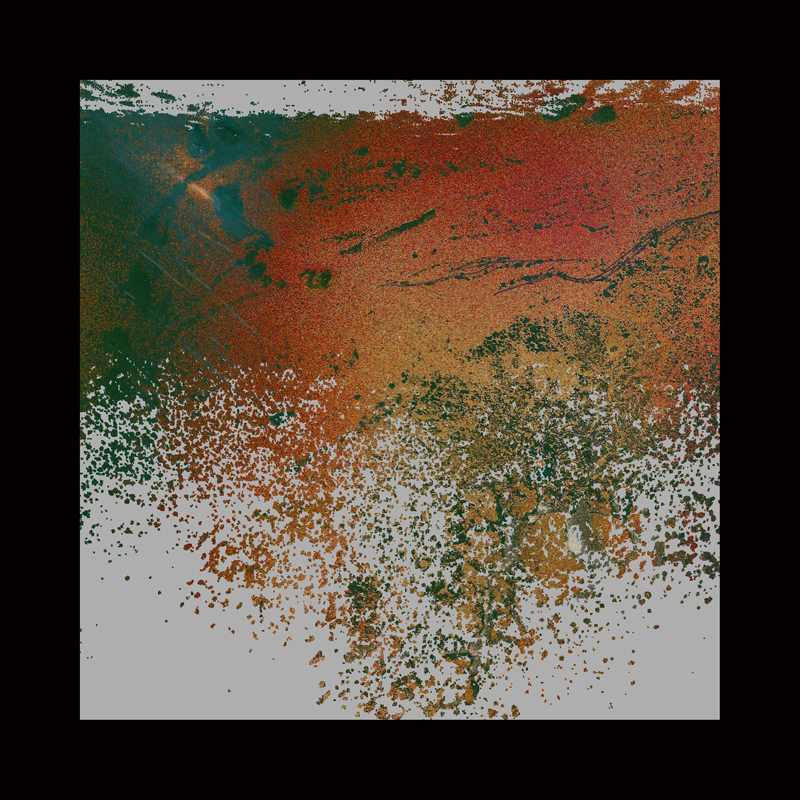
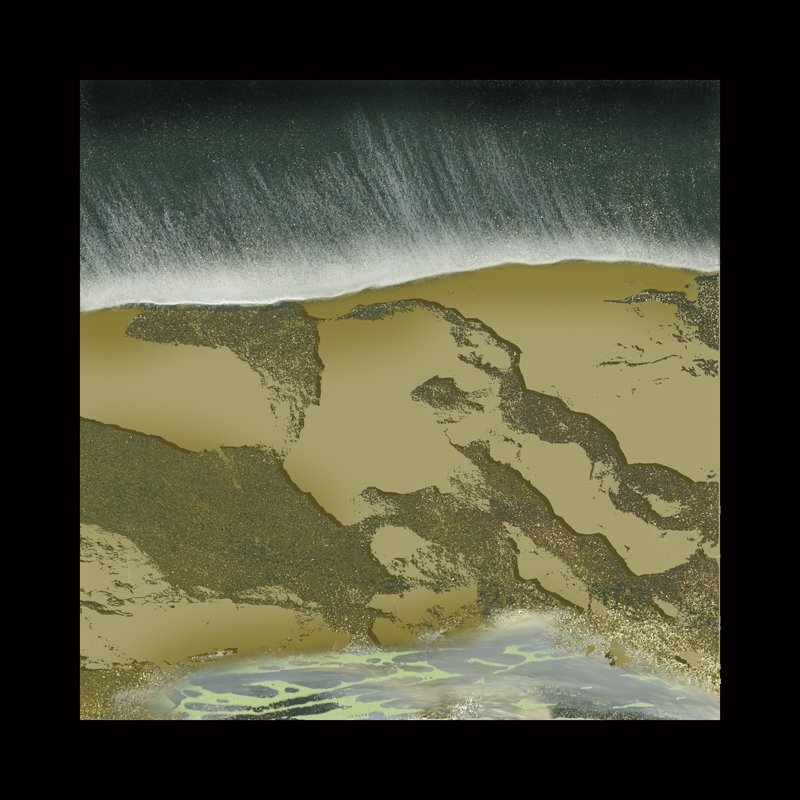
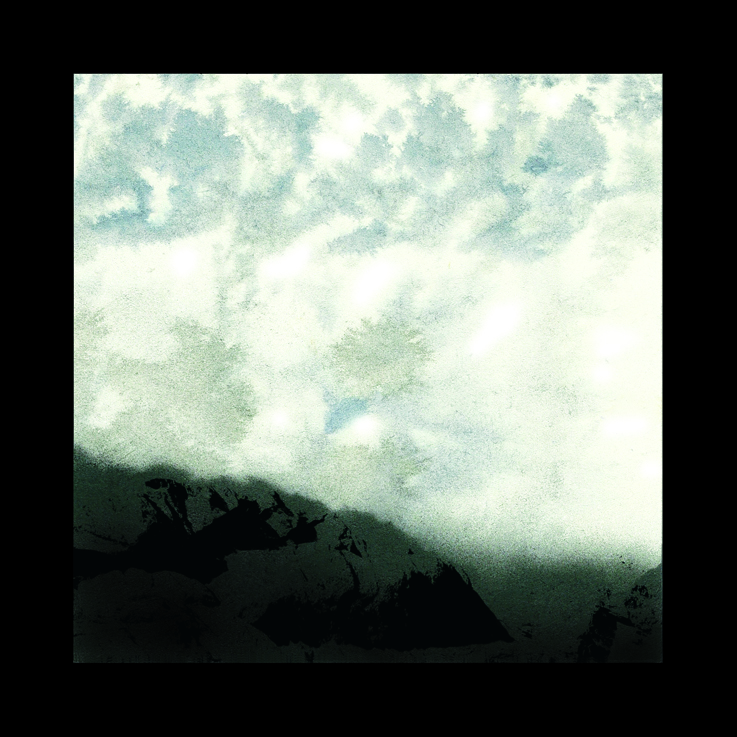
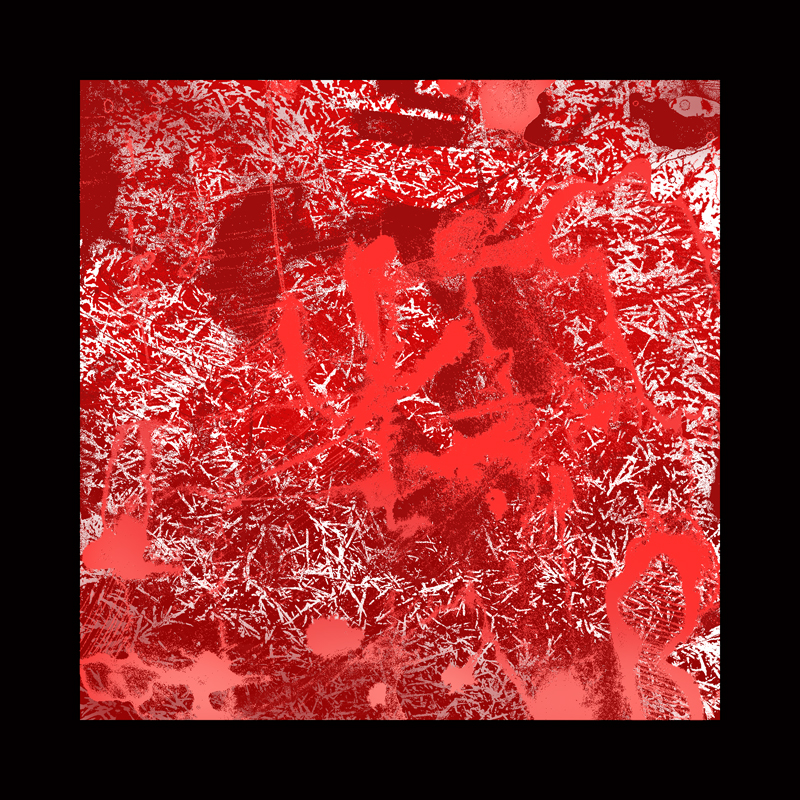
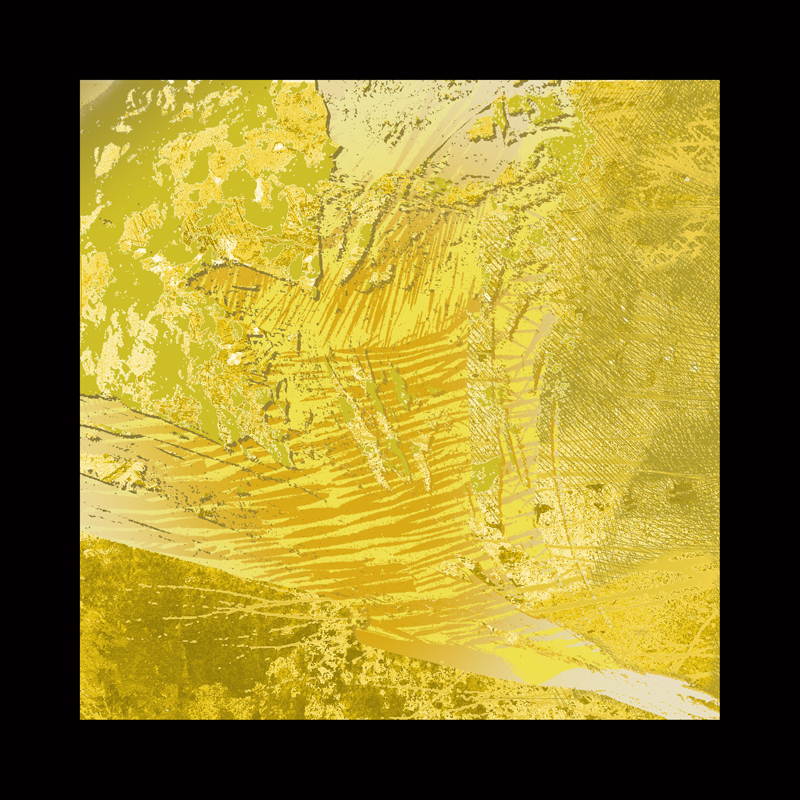
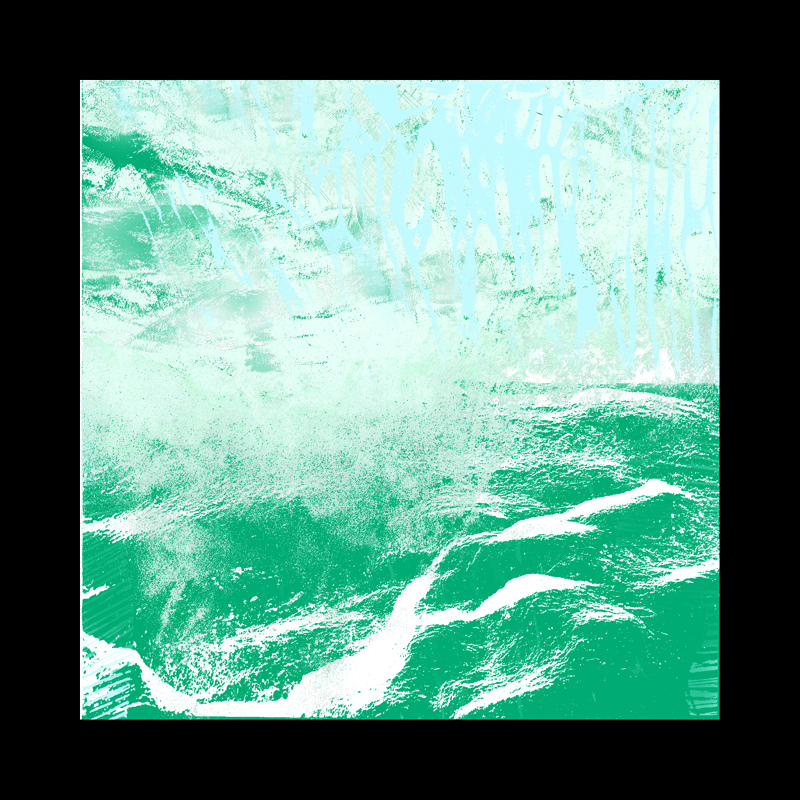
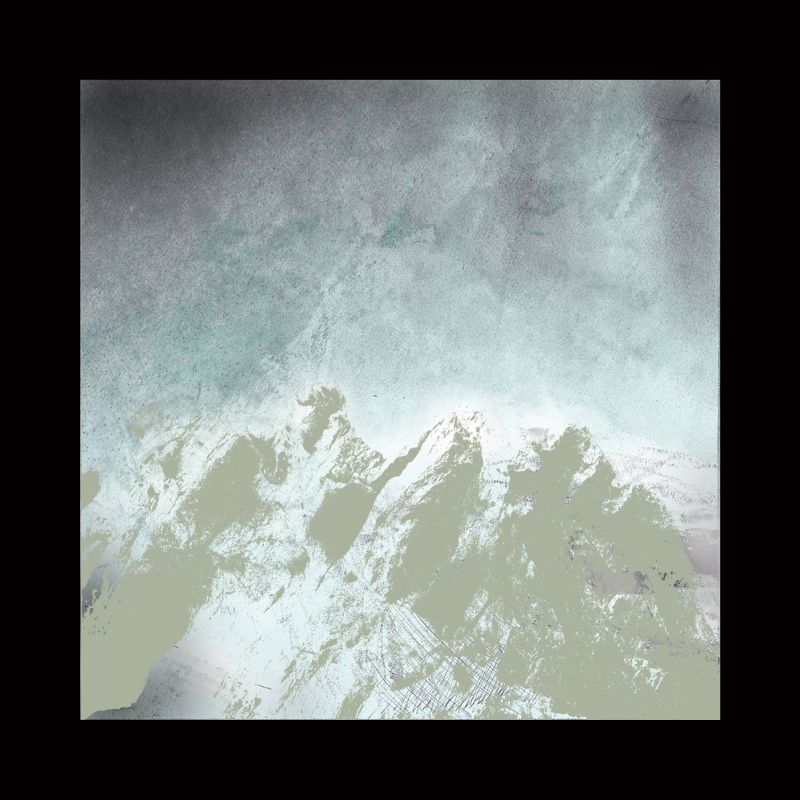
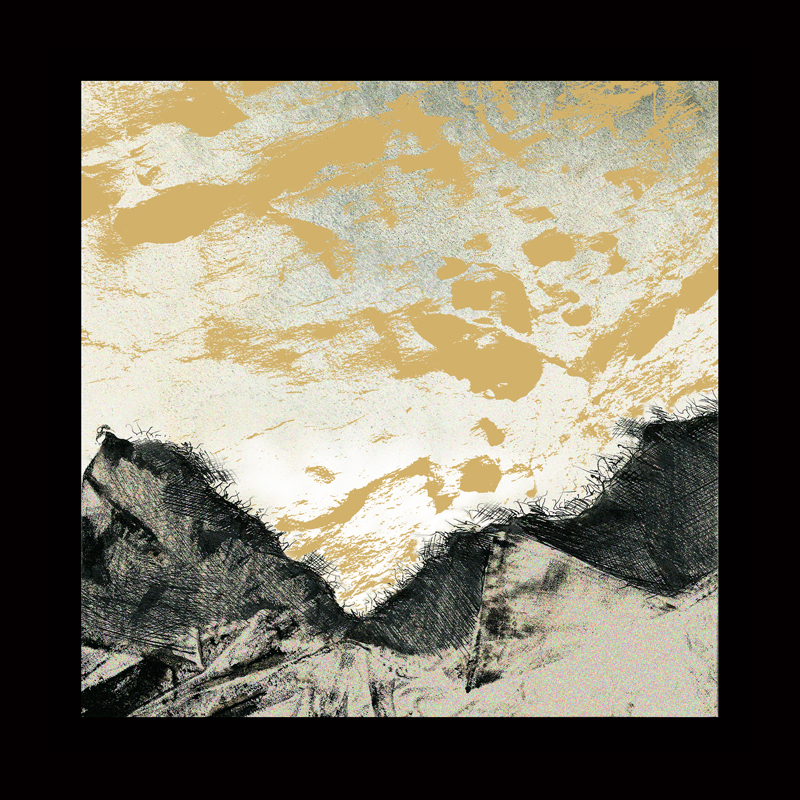
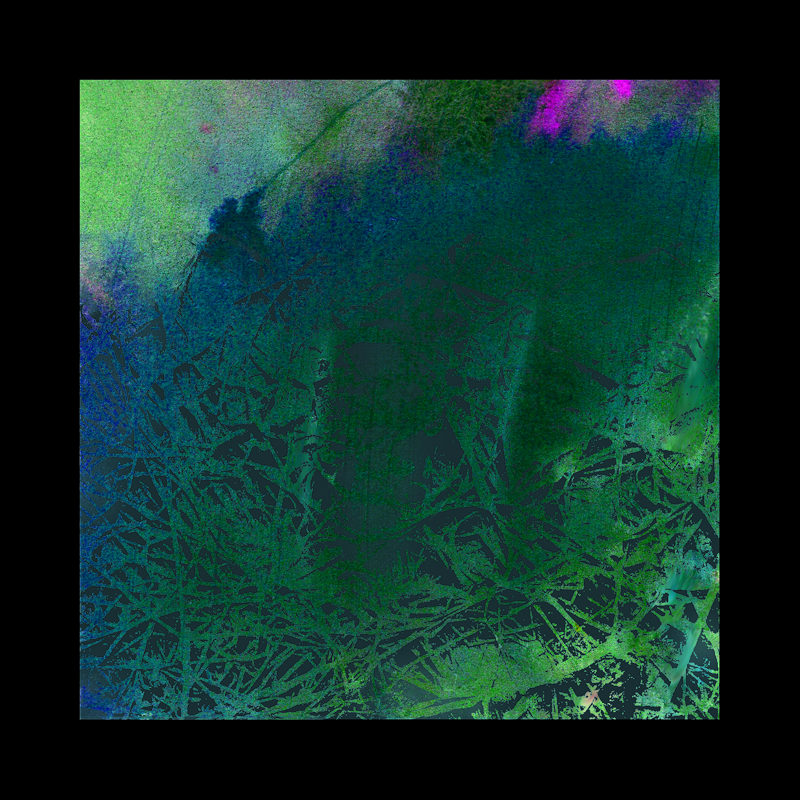
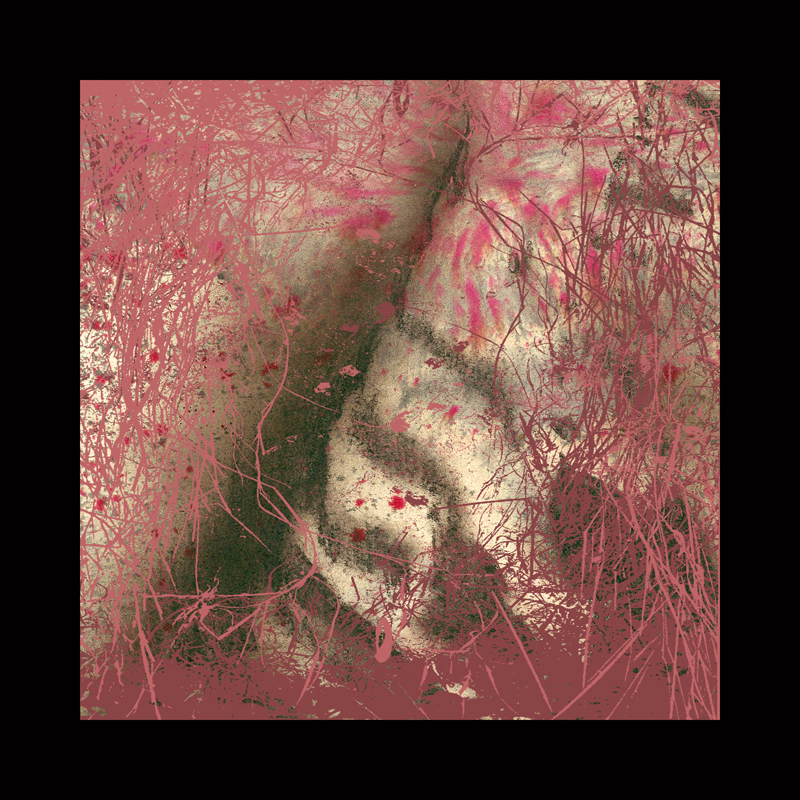
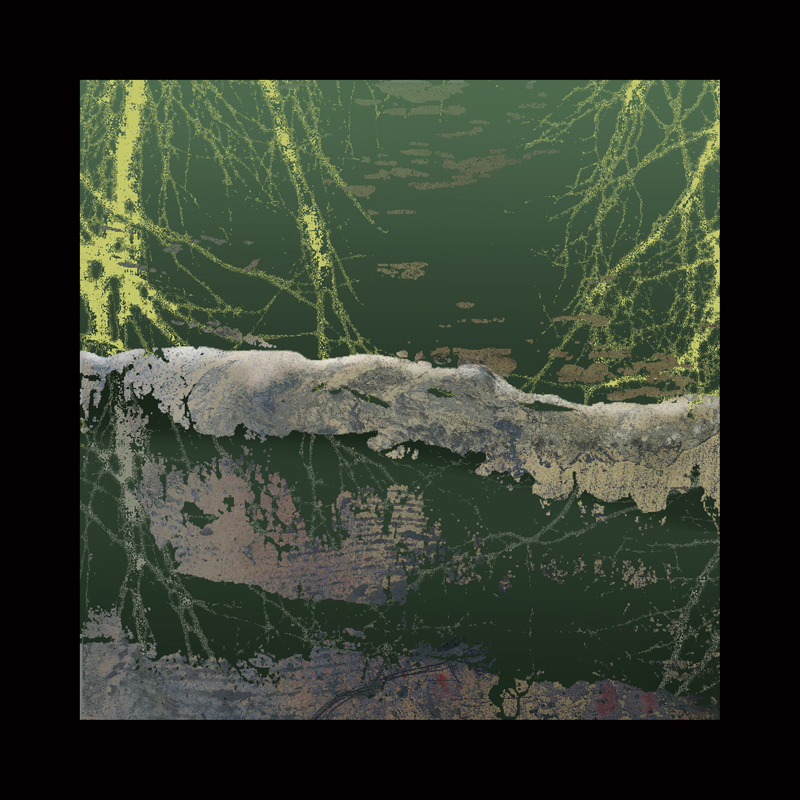
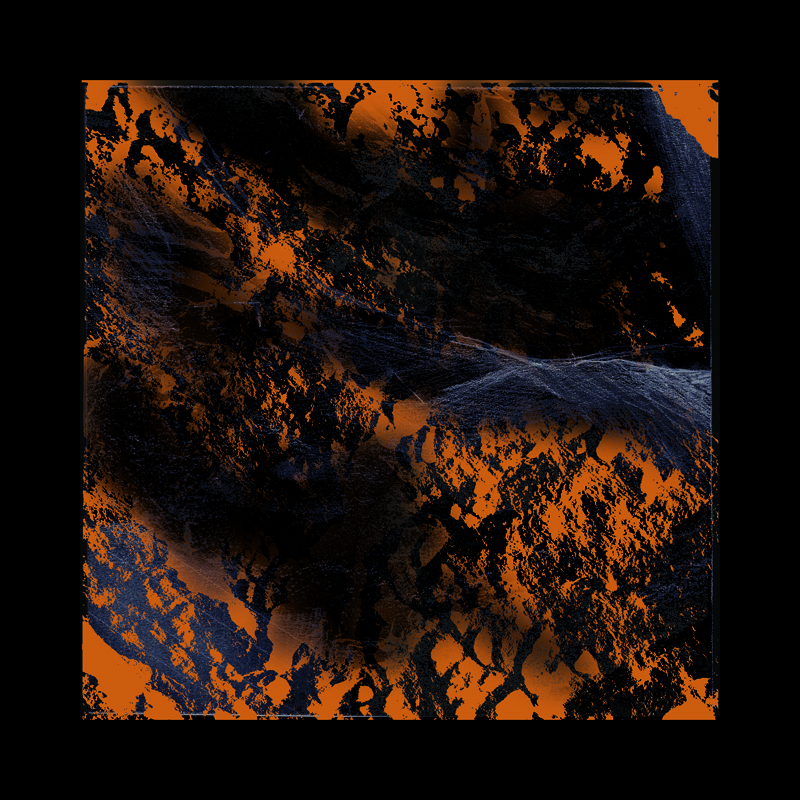
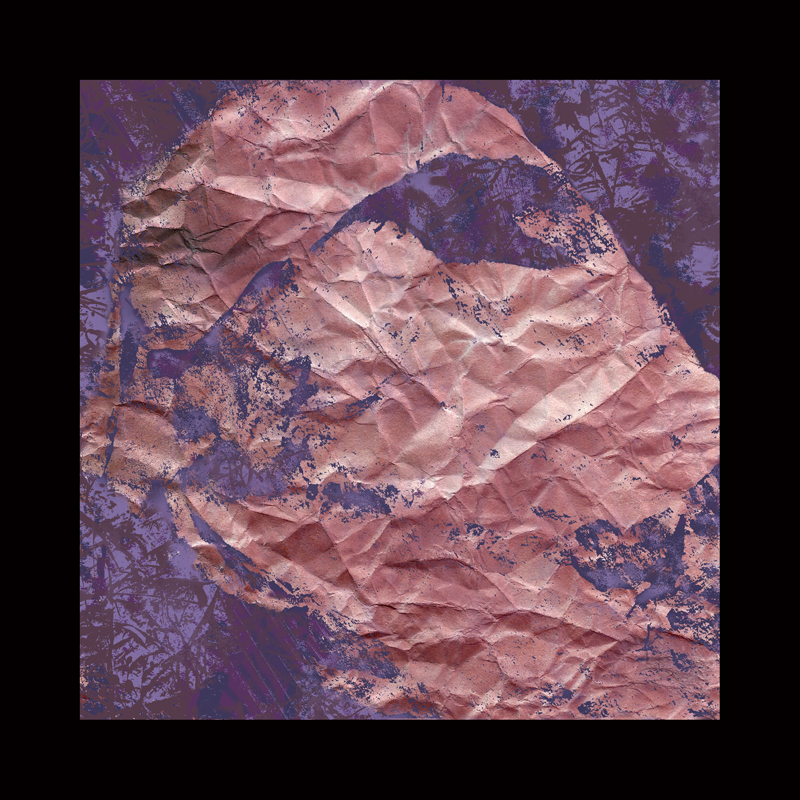
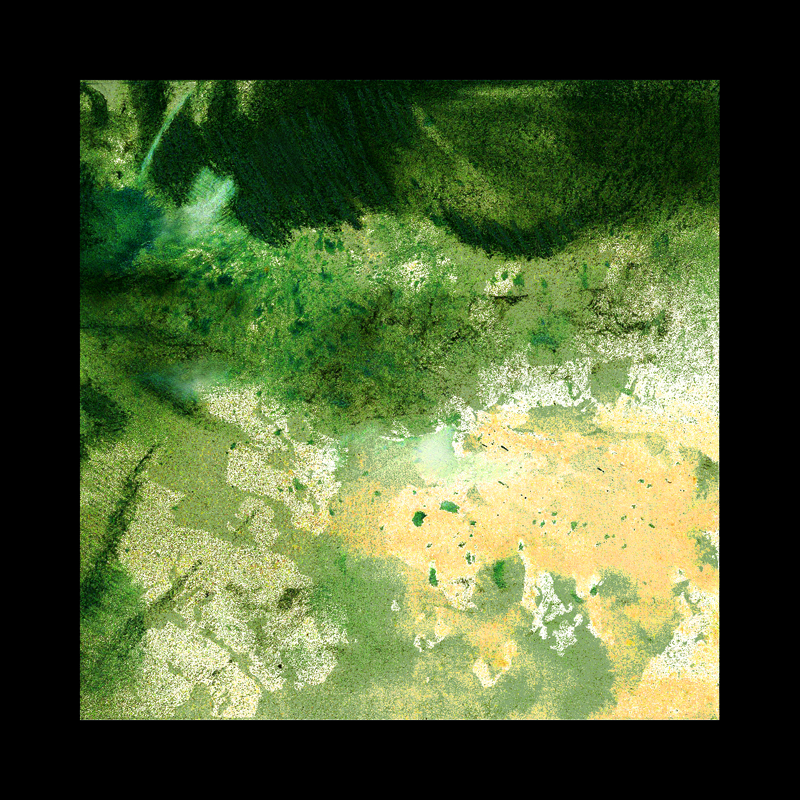
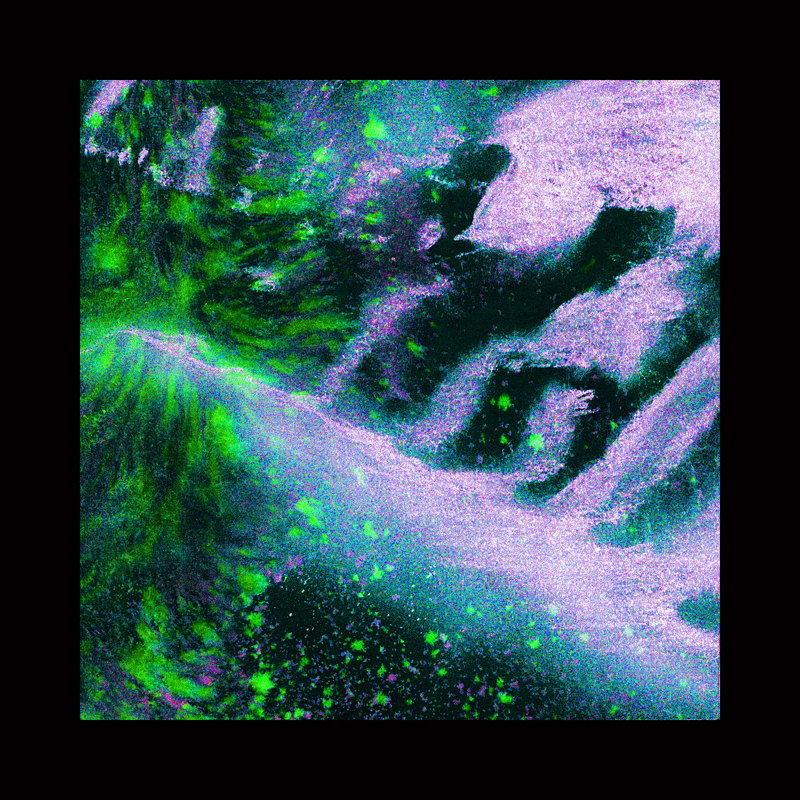
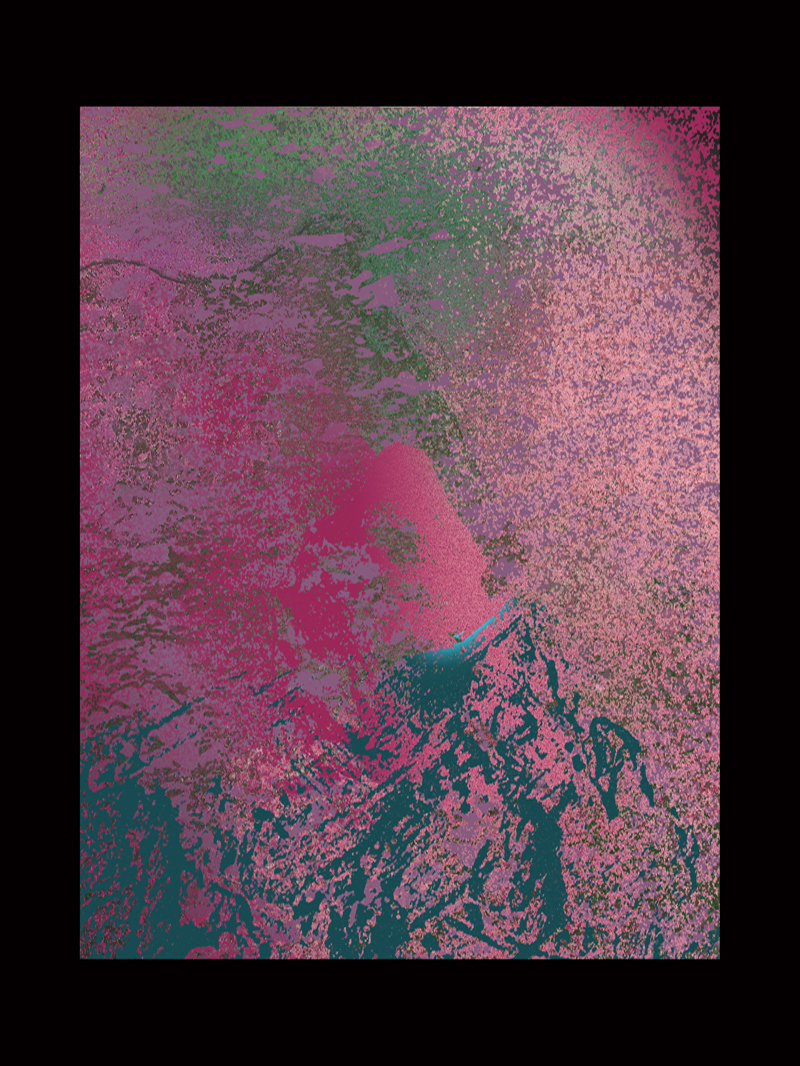
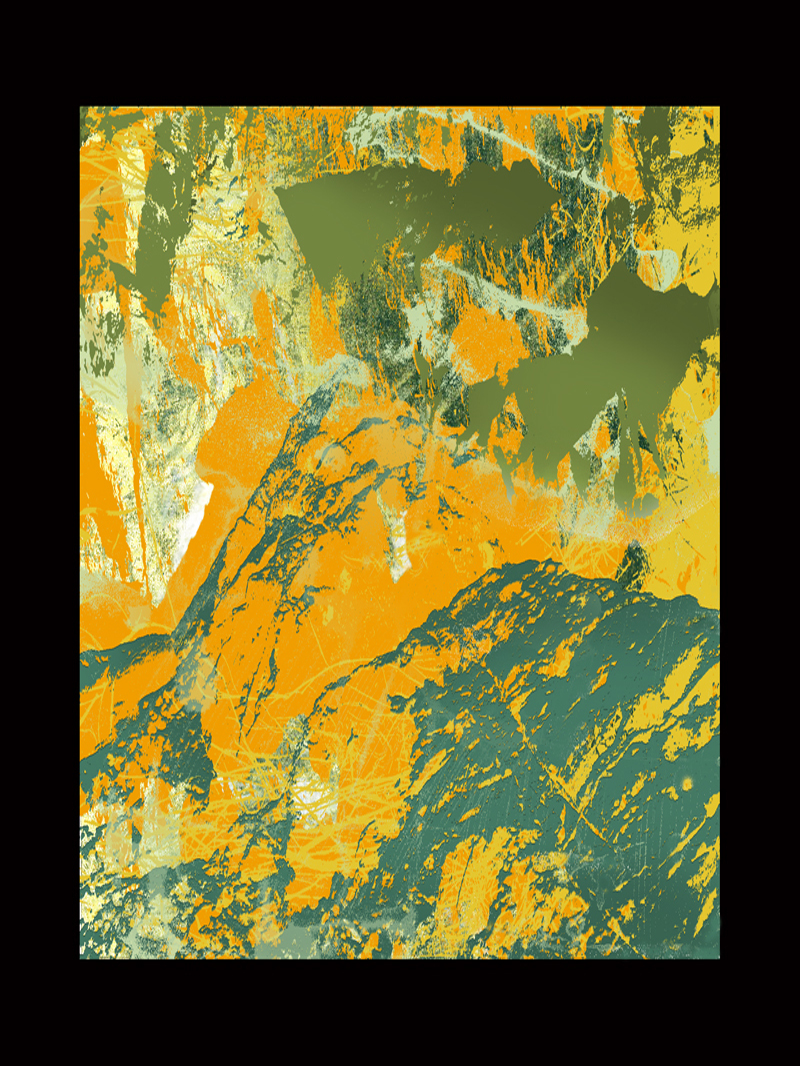
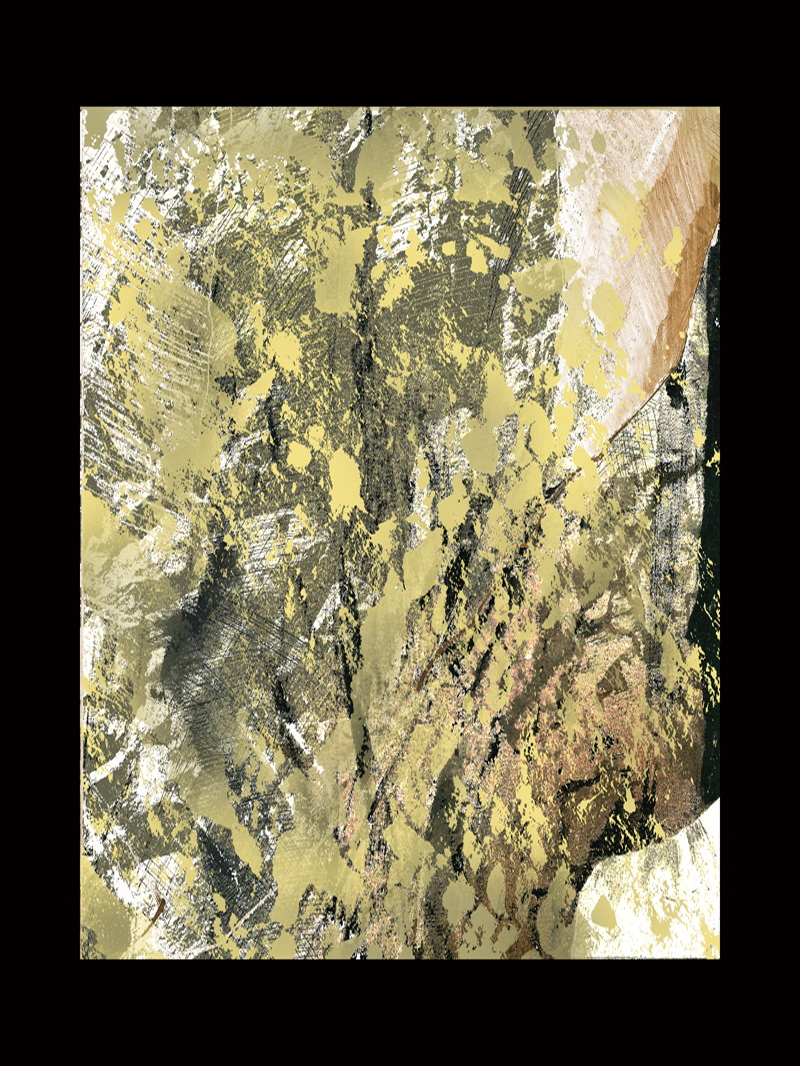
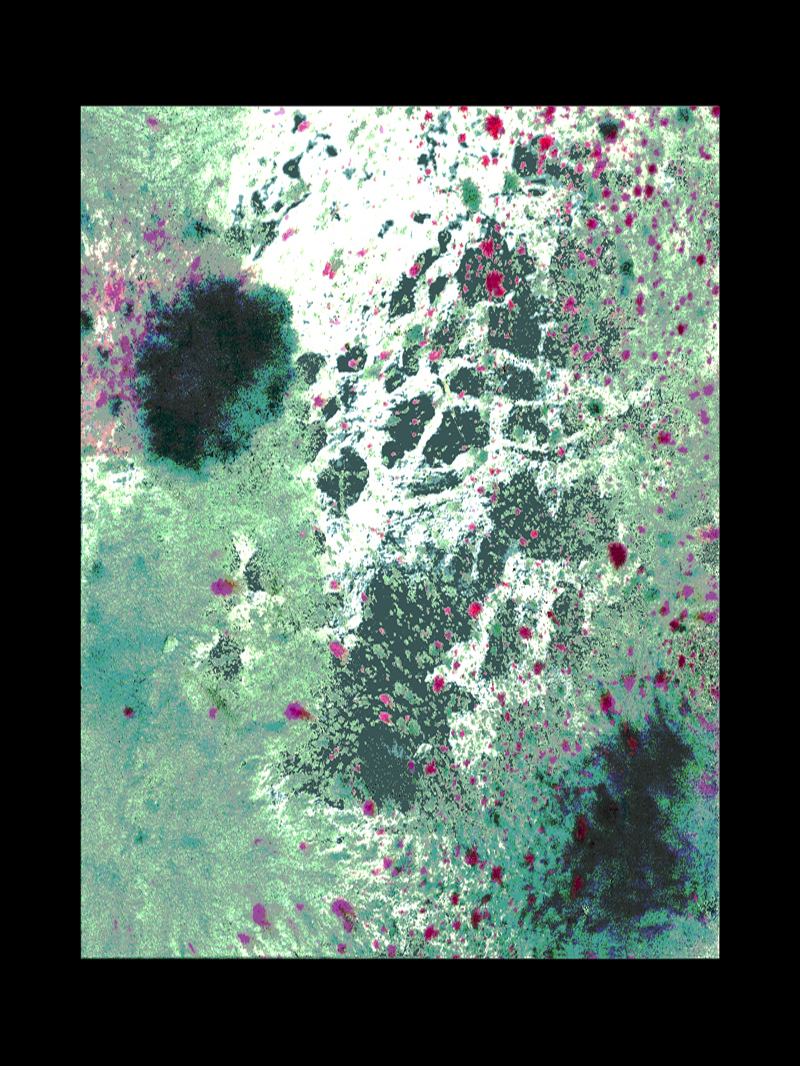
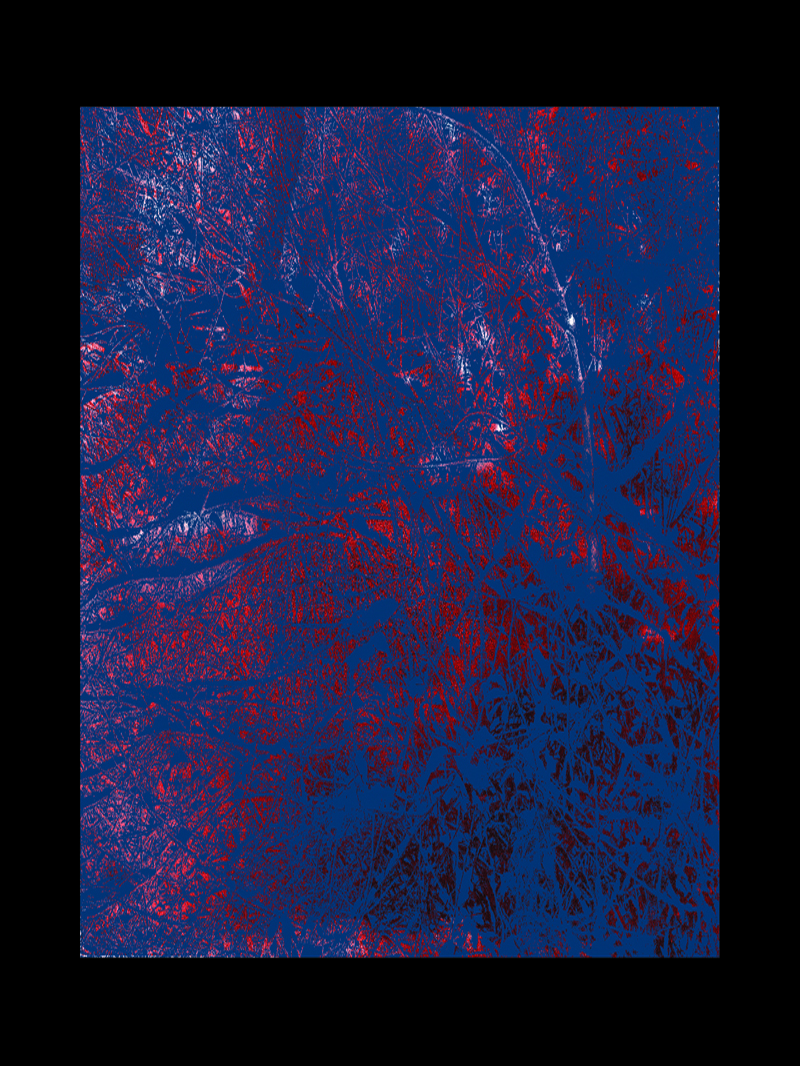
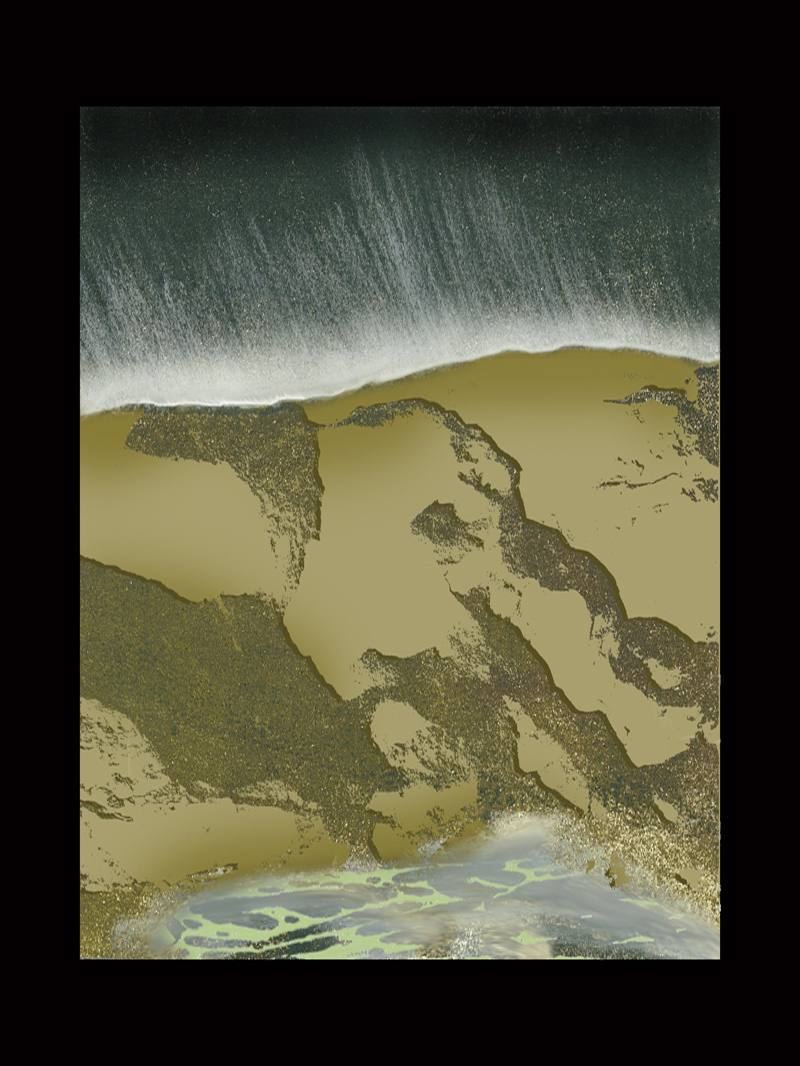
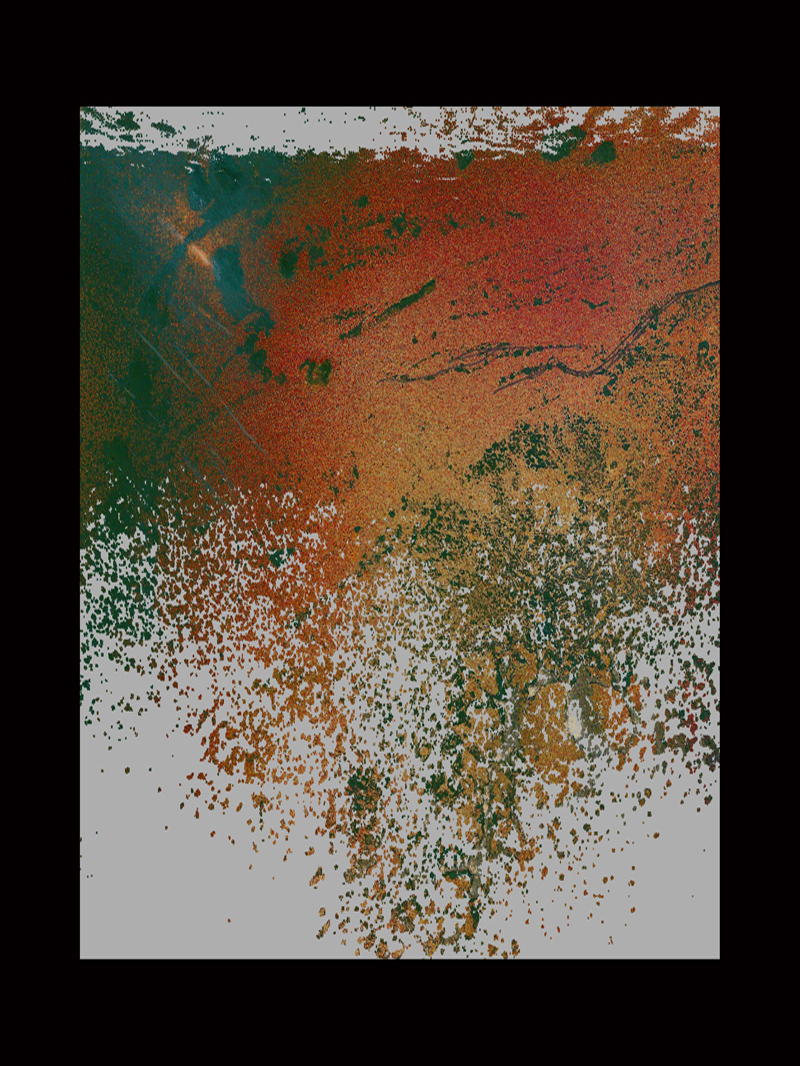
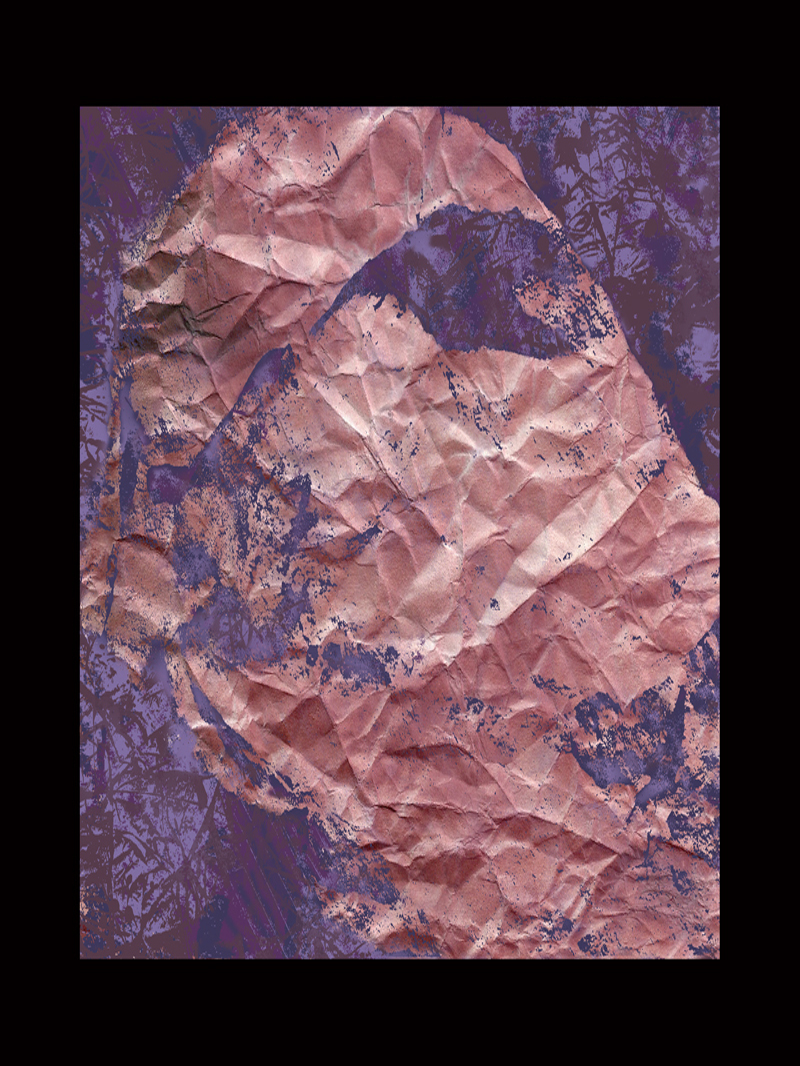
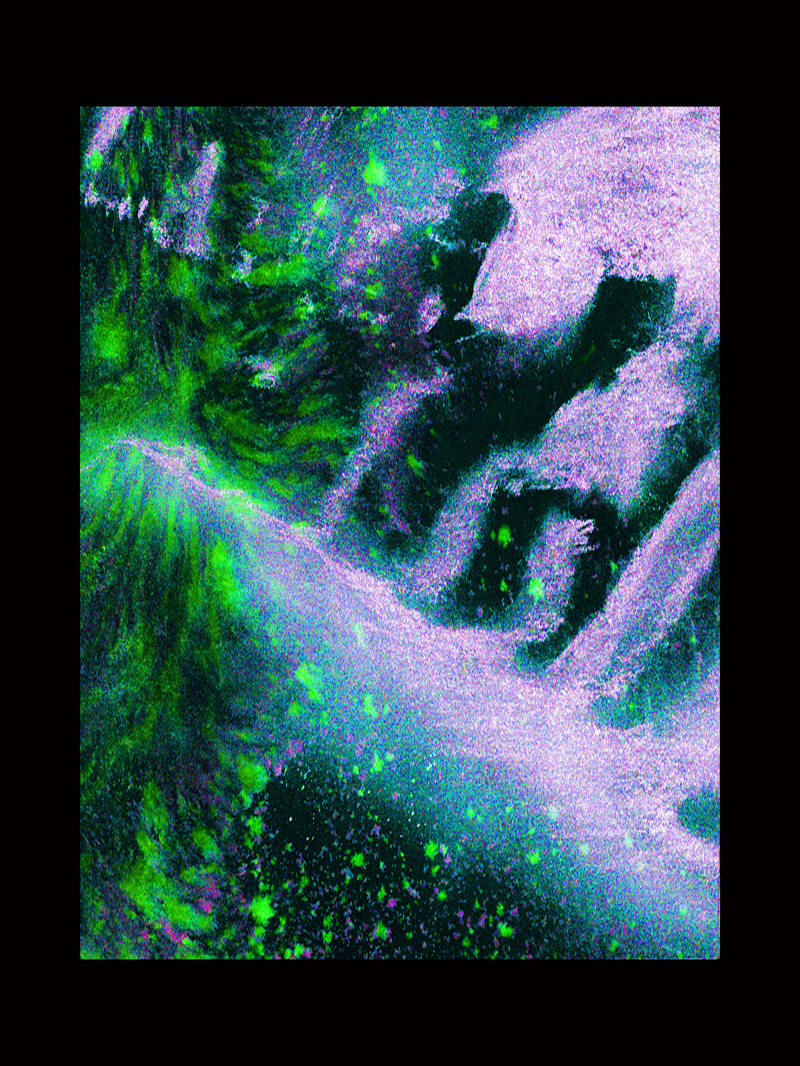
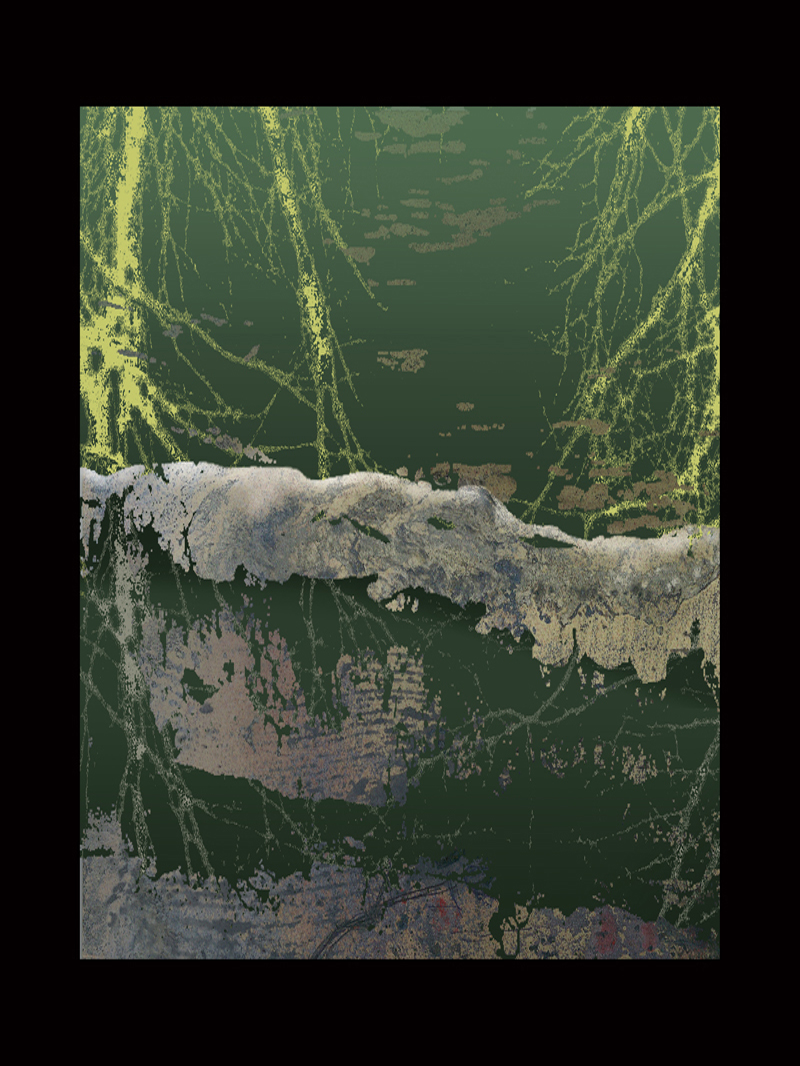
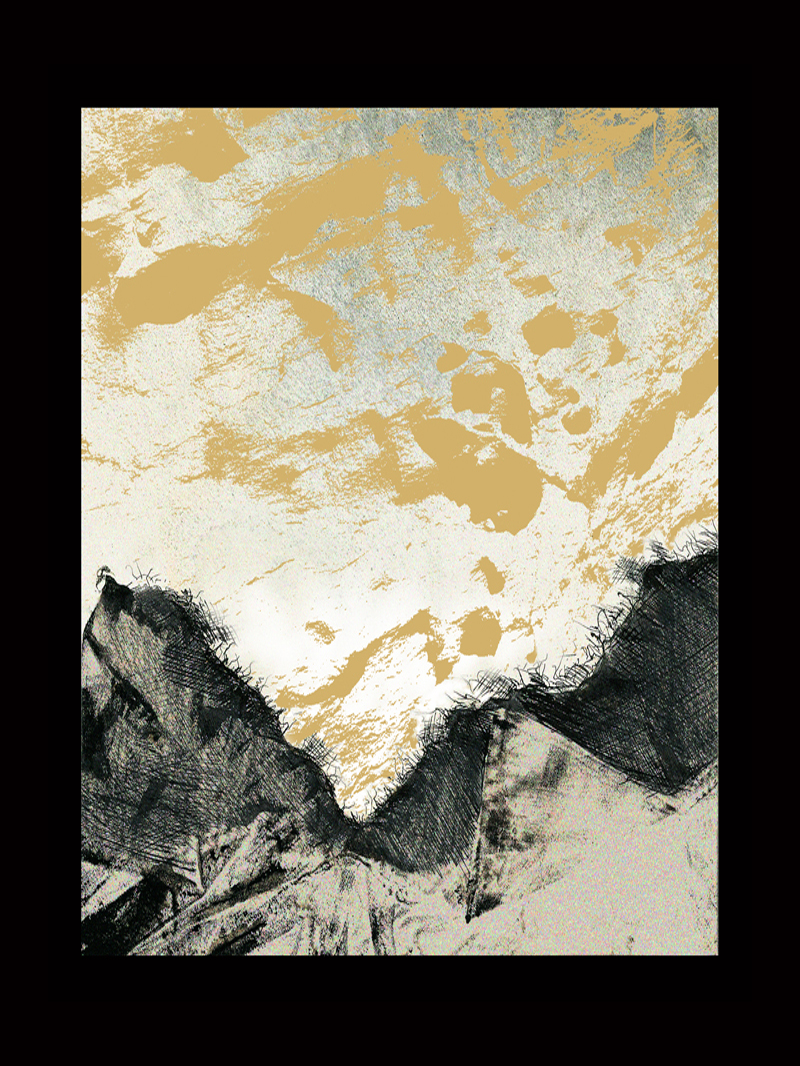
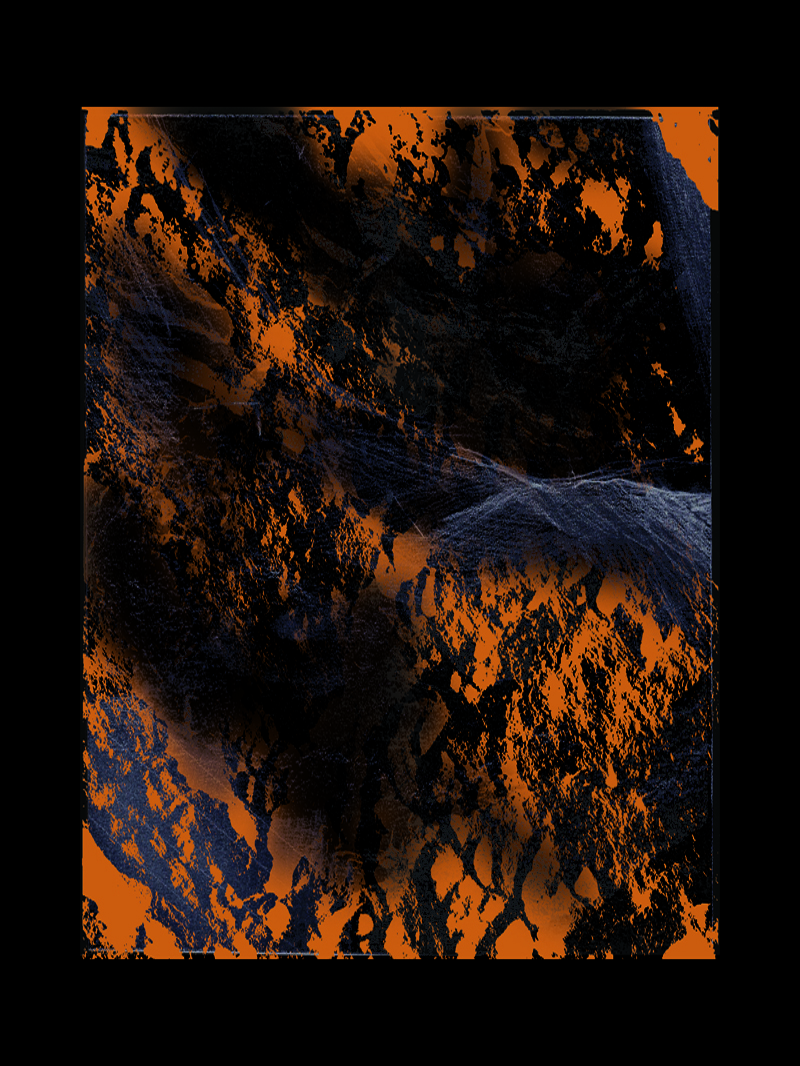
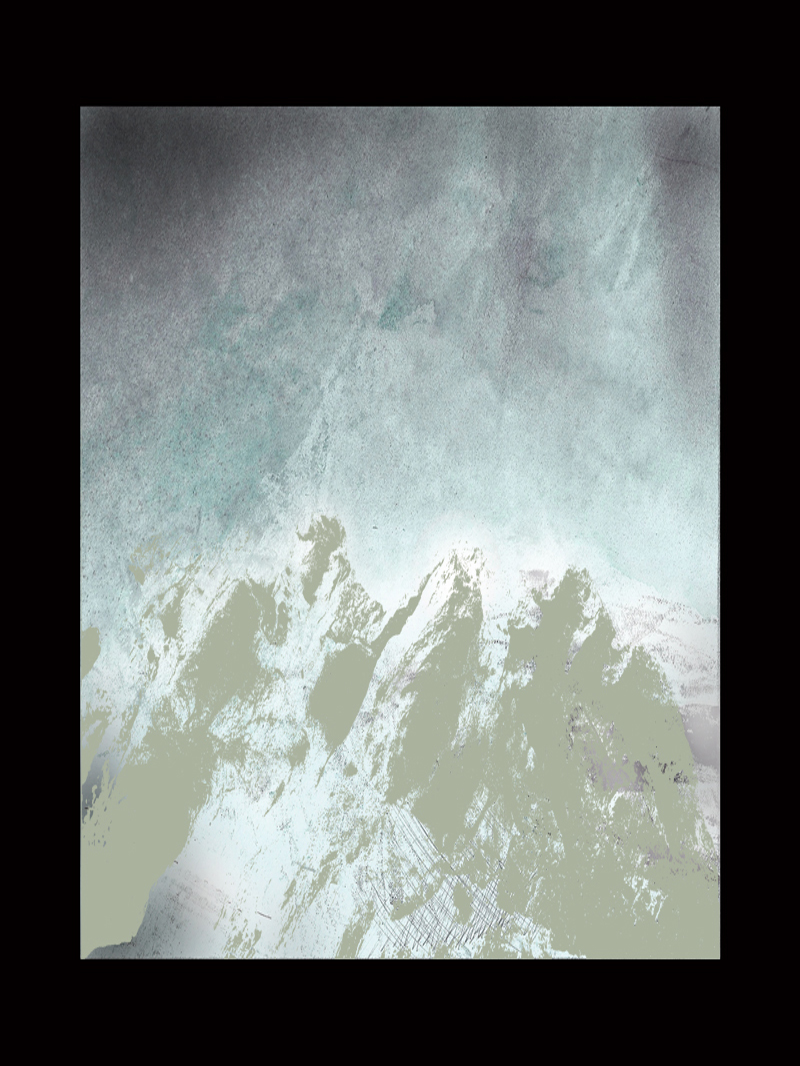
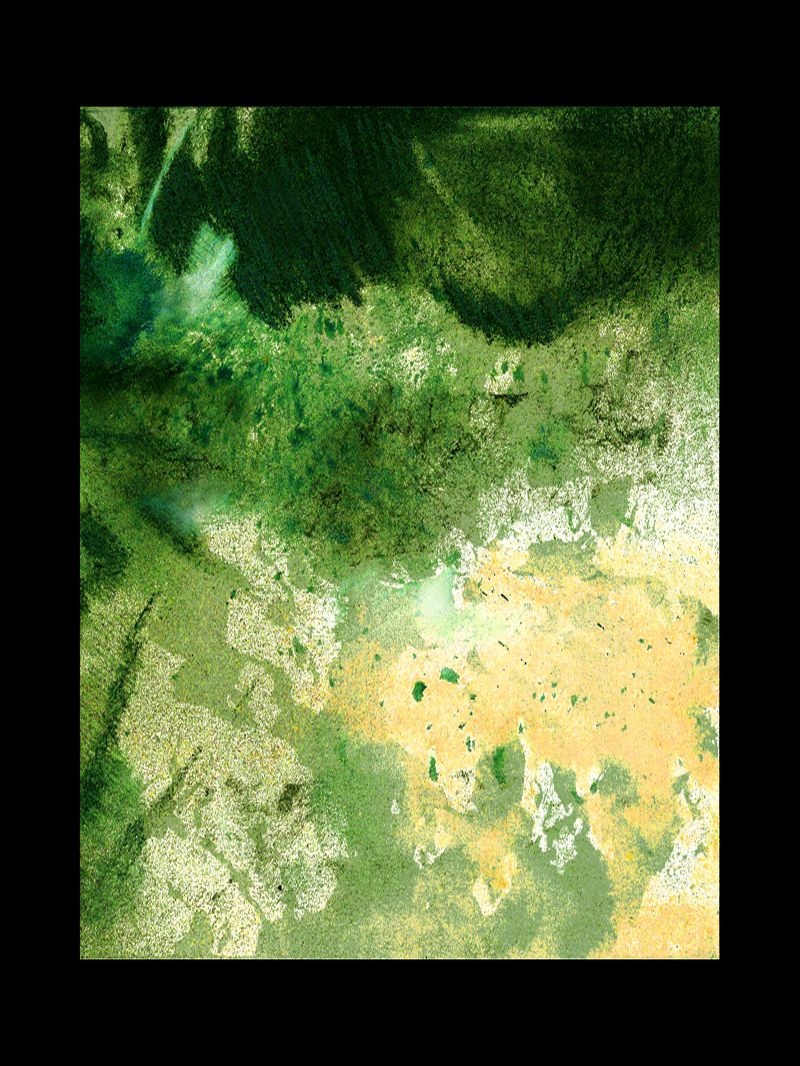
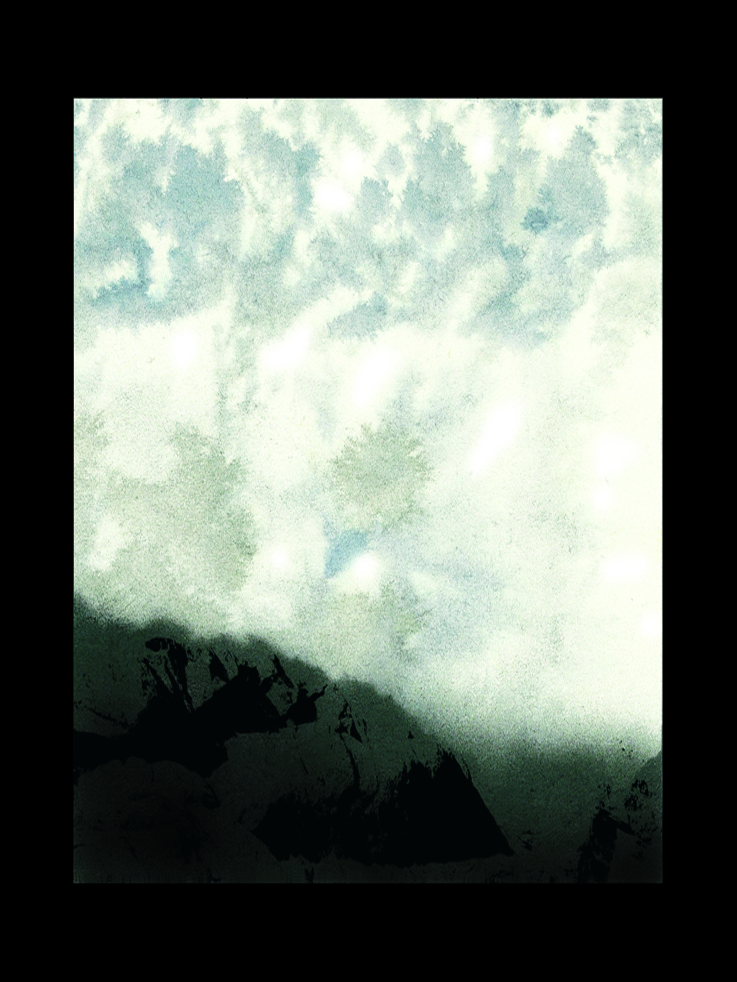
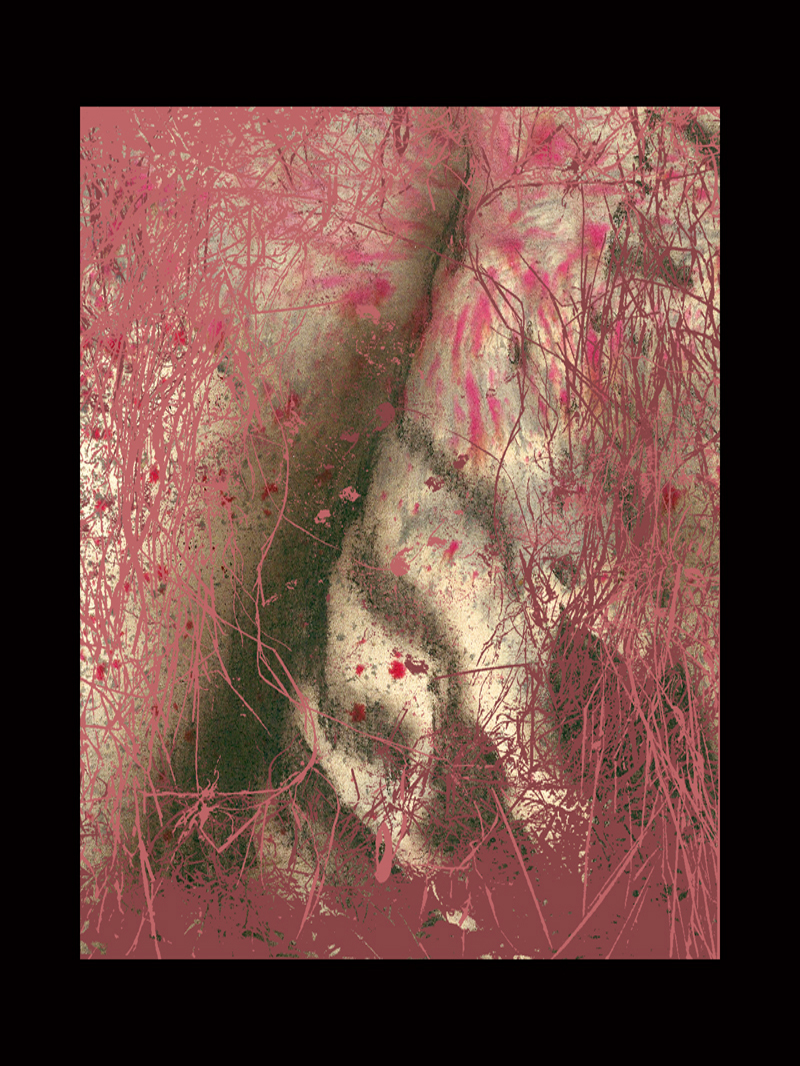
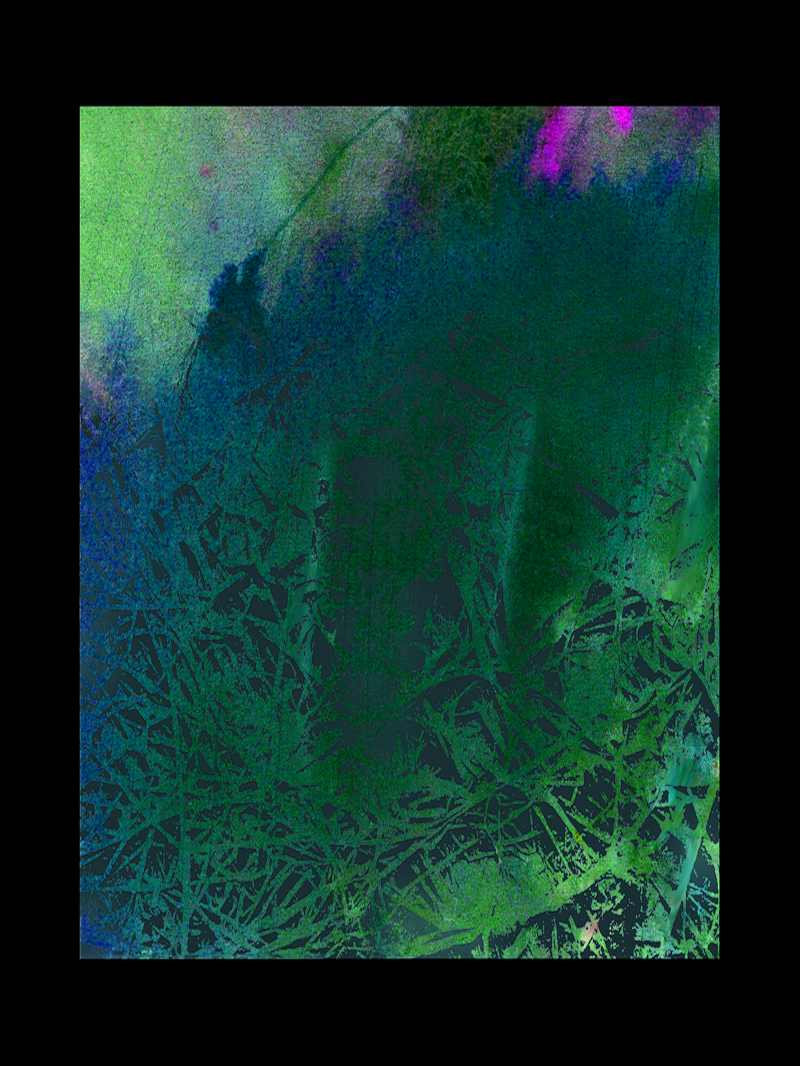
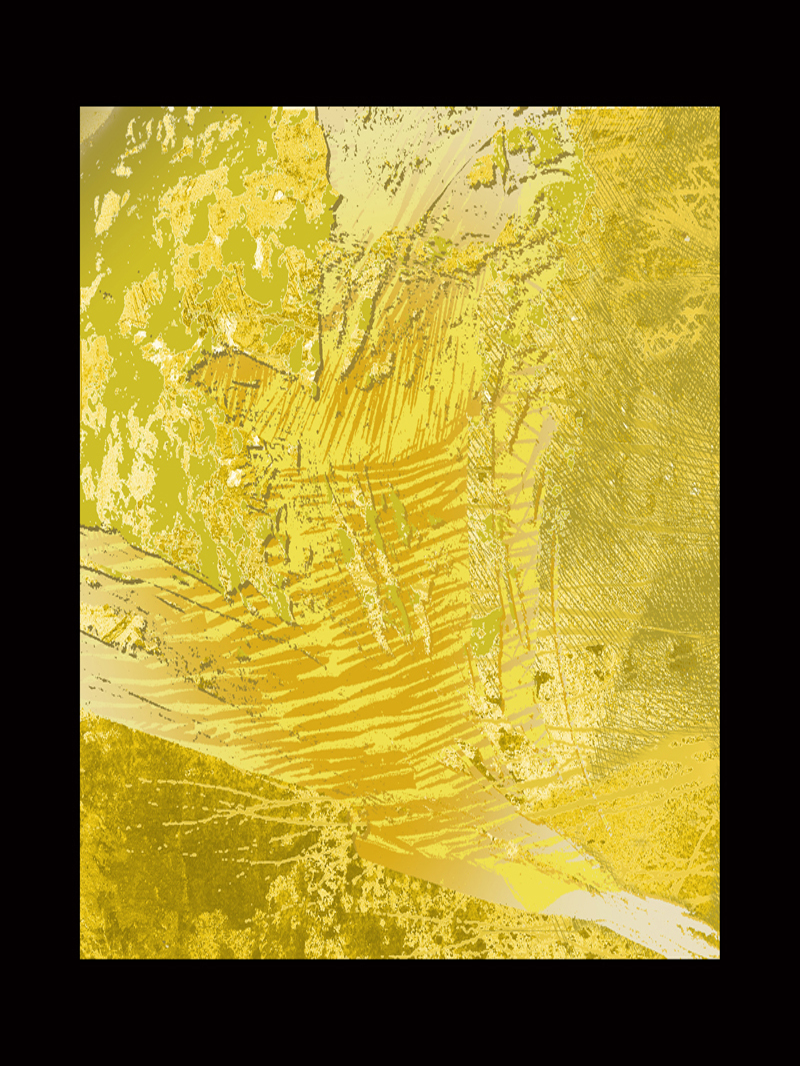
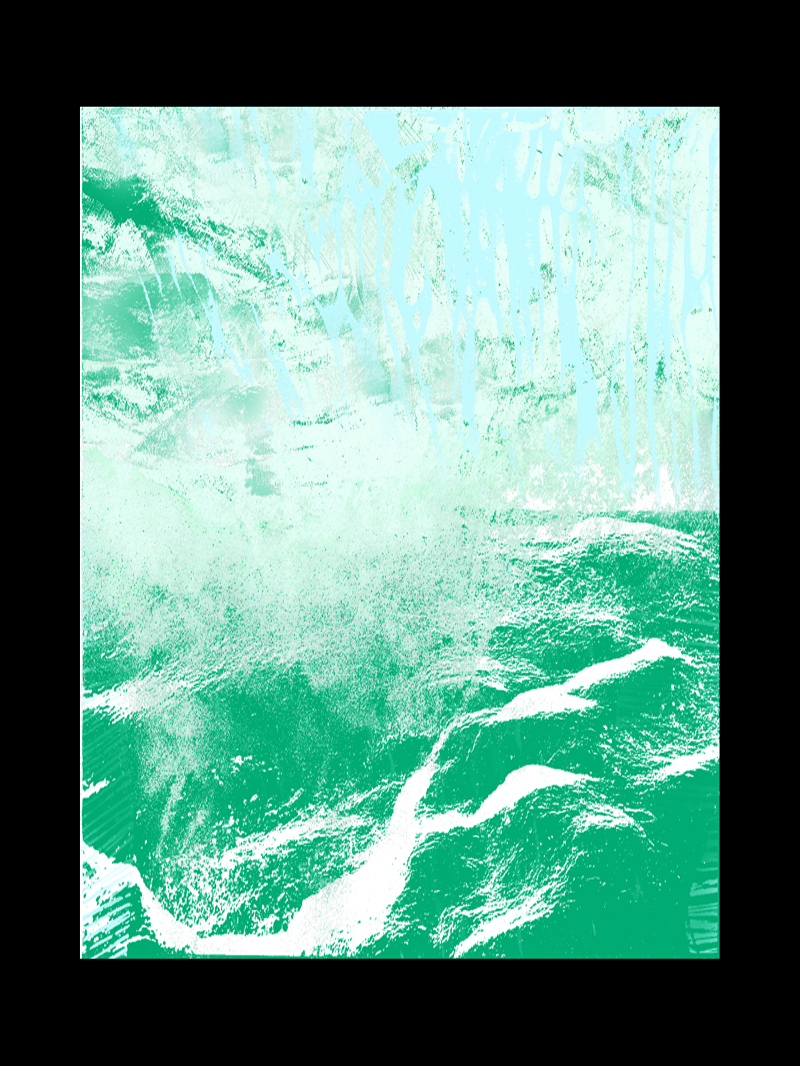
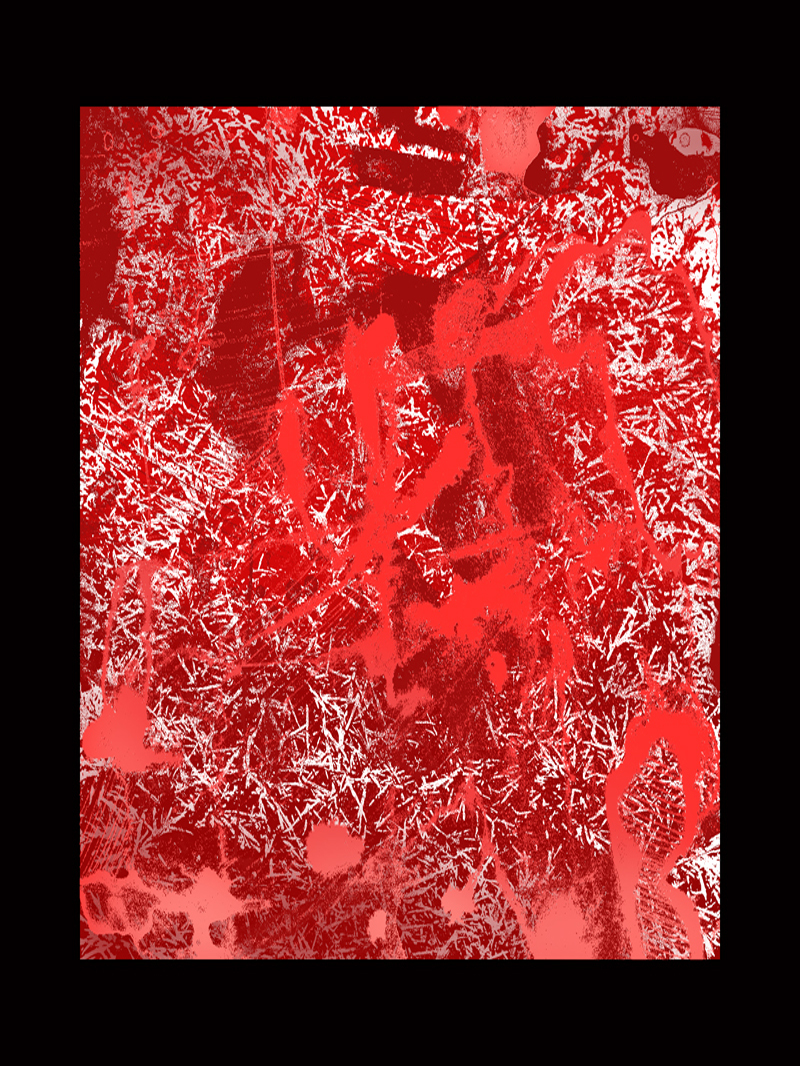
The “Worlds” series was created in the years 2000 – 2006. The series includes 20 color works made using the giclée technique (art print). To create them, I used the techniques of drawing, gouache, watercolors and photography. These are colorful impressions in which I build a non-existent world out of interpenetrating textures and colors. The titles refer to places I’ve been and those I’d like to be. Several works from this series were made in the form of illuminated panels.


Antoni Rodowicz
(Warszawa, sierpień 2012)
After a long silence, the time has come when I would like to acquaint you once again with the results of my work. Throughout these years of quiet, I never parted from my creative practice, noting down my ideas and reflections. I would also like, through the words of artists and theorists whose thought and work are particularly close to me, to tell you about my creative path — for their statements capture the problems that preoccupy me more precisely and more fully than I could myself.
My adventure with art, which continues to this day, began when, after completing my studies at the Warsaw Academy of Fine Arts, I arrived as a Belgian Government Scholar at the École Nationale Supérieure des Arts Visuels de La Cambre in Brussels. There I found myself in the studio of a Member of the Royal Academy — Professor Gustave Marchoul (1924–2015) — who asked me a question to which, at first, I could find no wise or elevated answer. Why had I chosen art? Neither Professor Halina Chrostowska (1929–1990) nor Professor Eugeniusz Markowski (1924–2015), the supervisors of my diploma at the Faculty of Graphic Arts, had ever placed me before the need to reflect on, let alone formulate, my motivation for choosing such a path in life. In their view, I think, it was self-evident — given the amount of time and commitment I devoted to it. Somewhat flustered, I answered simply: I just enjoy doing it.
Now, after years of work, having mastered difficult techniques, I can repeat what I said then — creating gives me immense pleasure. For can there be anything more wonderful than being able, through the labour of one’s own hands, to materialise one’s imagination — when the result is close to what was intended? M.C. Escher wrote in the introduction to his album: “…the reproductions in this book were made with the aim of conveying a particular thought. The ideas from which they spring often bear witness to my astonishment and wonder at the laws of nature that govern the world around us.” This conviction is not foreign to most artists.
I created my works in series, each comprising anywhere from a dozen to several dozen pieces. The making of each series was preceded by several years of gathering material. Between 1983 and 1986 I produced several dozen prints using metal techniques such as offset, etching, aquatint, relief, and heliography. This was followed by the series COLOURS (1988–1990), consisting of 20 mixed-technique prints in a 40 × 50 cm format, combining etching, aquatint, photography, and serigraphy. Next came the series SIGNS AND TRACES (1994–1997): 48 colour prints in a 50 × 60 cm format, executed in mixed technique using etching, aquatint, linocut, plaster engraving, photography, relief, and serigraphy. The works were developed from pencil and pen drawings, bas-reliefs, gouaches, photographs, and reproduction plates. They are multilayer prints — up to seven passes — on etching papers, offset papers, and bleached boards. This series is a record of my fascination with signs hidden in nature, which — through their union with traces concealed in one’s own imagination — can be invested with new meanings.
The answer I gave Professor Marchoul all those years ago was simple. In texts I have read since, I find other ways of responding to the important questions I ask myself about art and the creative act.
The world of art is circumscribed by the radius of the human soul. Wherever our thought or feeling reaches, there lies creative material for art. Art reflects reality — but reality understood as the connection between the inner world and the outer world, feeling with the thought of the mind, the mind with the senses. (Stanisław Witkiewicz, Artistic Monographs.)
How quickly one may achieve the fulfilment of one’s intentions! Rilke defines the immensity of the work required to reach them: “Here my words lose their power and return to that great knowledge to which I have already prepared you — to the consciousness of the surface, with which the entire world has been surrendered to this art. Surrendered, not yet given. To encompass it required — and still requires — immeasurable labour.” (Rainer Maria Rilke, Rodin.)
These words, too, I need when weighing the doubt involved in choosing between the sign and the word. My entire output — apart from illustrative work — lives in the world of abstraction, of signs drawn from nature. Even the titles I give to individual series and works arise from associations known only to myself. And since I am showing my “verbal” creative work for the first time, several questions preoccupy me. If we accept, following Umberto Eco, that as in his Open Work: “In the field of aesthetic stimuli, signs combine according to habits rooted in the sensibility of the receiver (which, though we call them taste, are a kind of code, historically systematised)” — what can we say about the perception of the word? Karl Jaspers writes in Philosophy of Existence: “Signs are arbitrary, invented, defined at the moment of their creation. Words have their histories; they are carriers of an indeterminable wealth of meanings and develop through use. Signs are unambiguous. Words are ambiguous.”
Perhaps it is beside the point to ask which of these two domains allows the artist to draw closer to their audience? After all, only music will remain an unrivalled medium, by virtue of its multidimensionality and its evanescence in time. Yet if we agree that “art is a product of suggestive magic uniting subject with object, and is always born on the ground of an intimate bond between the artist and the external world” (René Dubos, A God Within), then anyone capable of engaging others with their vision deserves attention.
In his Treatise on Painting, Leonardo da Vinci writes: “Between imagination and reality there is the same relation as between a shadow and the body that casts it; the same relation holds between poetry and painting. Poetry conveys its subjects to the imagination through letters, while painting places them directly before the eye, which receives their likenesses as though they were real. Poetry, by contrast, delivers them without such likeness, and they do not reach consciousness by the force of sight, as painting does.” Fortunately, both working with signs and working with words demand a continuous inner dialogue — one that allows us to name or reveal to ourselves our response to surrounding reality.
In Poetry and Truth, Goethe writes that everything he published constitutes “fragments of a great confession.” He names as the impulse behind his writing the compulsion to transform into image and poem everything that “delighted, tormented, or otherwise preoccupied him” — and thus to “come to terms” with himself, both “to correct his understanding of external things” and “to find inner peace.” (Walter Hilsbecher, Tragedy, Absurdity and Paradox.)
I must speak here of an extraordinarily compelling thought contained in a Japanese seal given to me years ago by Krystyna Zachwatowicz and Andrzej Wajda. Reading the signs inscribed within it, one hears sounds resembling my name — while at the same time their meaning forms the sentence: “Through drawing, one arrives at beauty.”
And so one further quotation. Professor Tatarkiewicz describes the traditional understanding of beauty thus: “Classical aesthetics assumes that beauty is not created by art alone; before artists began to realise it in their works, it was already realised in nature. The universe is harmonious, coherent in all its parts, clear and transparent to one who has come to know it. Beauty is eternally contained within it. Art can and should do nothing other than read in nature the laws of this beauty and apply them in its works — in other words, to imitate nature.” (Władysław Tatarkiewicz, A Road through Aesthetics.)
For centuries, attempts were made to challenge the theses of the Platonic triad of values. Stanisław Witkiewicz wrote in his Artistic Monographs: “Mistaken notions about art — expressed in the very name of art theory: ‘the science of beauty’ — mistaken notions that regarded beauty as the sole essential content of art, confining its scope of action within very narrow bounds, have given rise to deep misunderstandings in this domain of intellectual life. The choice of what is beautiful must therefore be left to the recipient, not made a presupposition of the creator.”
And finally, one last quotation — a pointed observation by Eco concerning the concept of the fictional world. For what else are my works, if not precisely fiction? “Fictional worlds are indeed parasites of the real world; they are, however, small worlds that put in brackets the lion’s share of what we know about the real world, and allow us to concentrate on a finite, closed world, very similar to ours but ontologically poorer. Since we cannot go beyond its borders, we penetrate it in depth […].” I read these words many years ago and, struck by their aptness, adopted them as the motto of my work. “If fictional worlds are so pleasant, why shouldn’t we read the real world as if it were a fiction? Or, if fictional worlds are so small and the pleasure they give is mere illusion, why shouldn’t we invent fictional worlds as complex, contradictory, and provocative as the real world?” (Umberto Eco, Six Walks in the Fictional Woods.)
I hope that in the works presented here, you will find something of the materialised fiction of your own world.